The 'Walking Palm': Can This Amazonian Tree Really Move 20 Meters a Year?
Published on September 28, 2026 • By Staff Writer
Part 1 of 4
The Legend of the Moving Tree
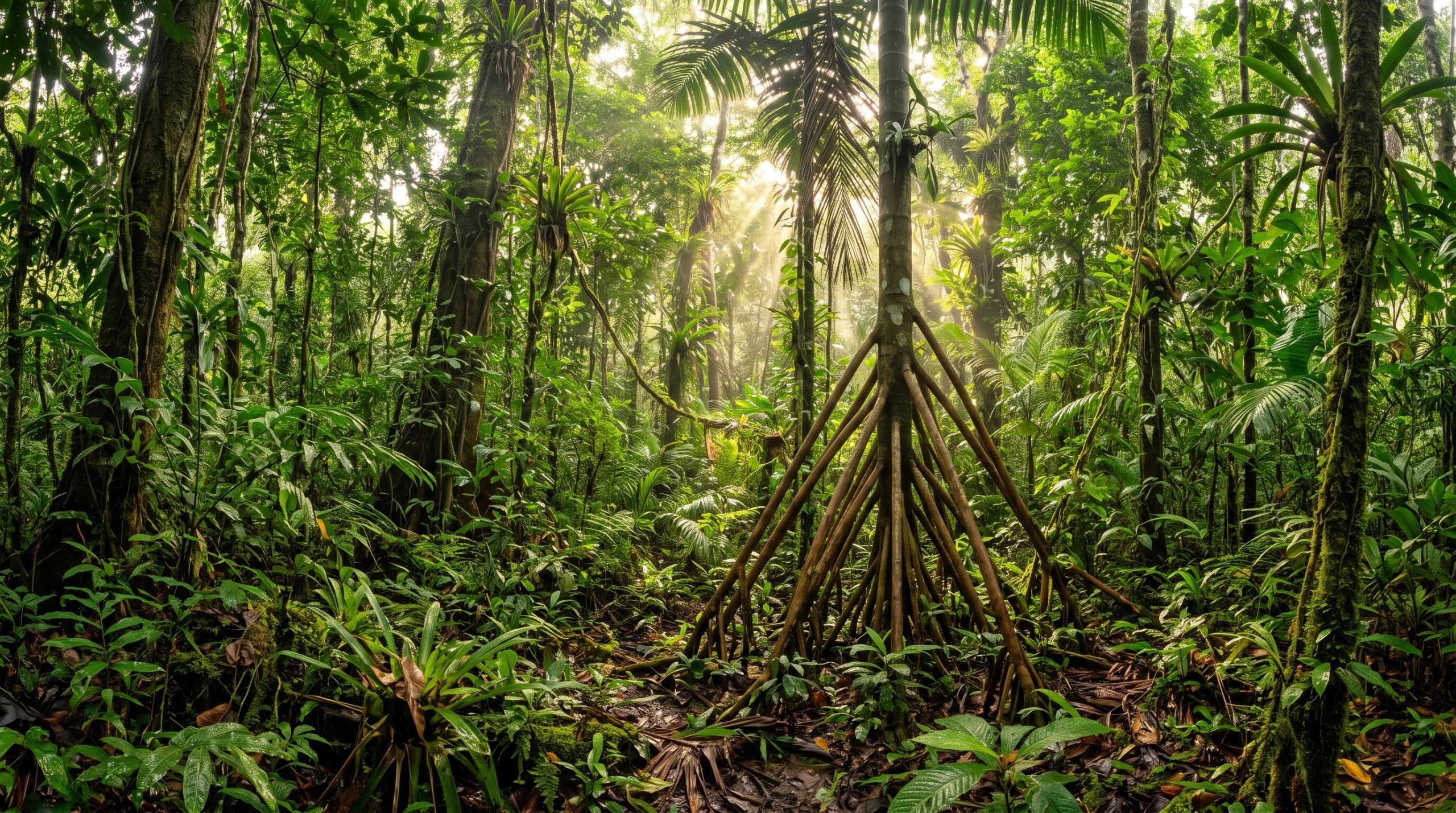
The unique stilt root architecture of Socratea exorrhiza in the Amazon rainforest.
Deep within the lush tropical rainforests of Central and South America
grows a palm tree so bizarre that local jungle guides swear it has legs.
Known scientifically as Socratea exorrhiza—or simply the Walking Palm—this incredible plant has captured the imagination of travelers and botanists for decades.
According to Amazonian legend, this tree can slowly creep across the jungle floor, moving up to 20 meters (66 feet) per year in search of sunlight.
Standing on Wooden Stilts
Unlike typical trees that are anchored firmly underground by a single deep taproot system, the Walking Palm sprouts long, rigid aerial roots above the soil. These stilt-like roots emerge from the trunk several feet off the ground, giving the palm the uncanny appearance of standing on wooden legs.
This striking adaptation raises a captivating question: Is it really walking, or is it just an illusion of nature?
Part 2 of 4
The Science Behind the "Walk"
A close-up view of the aerial stilt roots anchoring the palm into rainforest soil.
Growing New Legs, Abandoning Old Ones
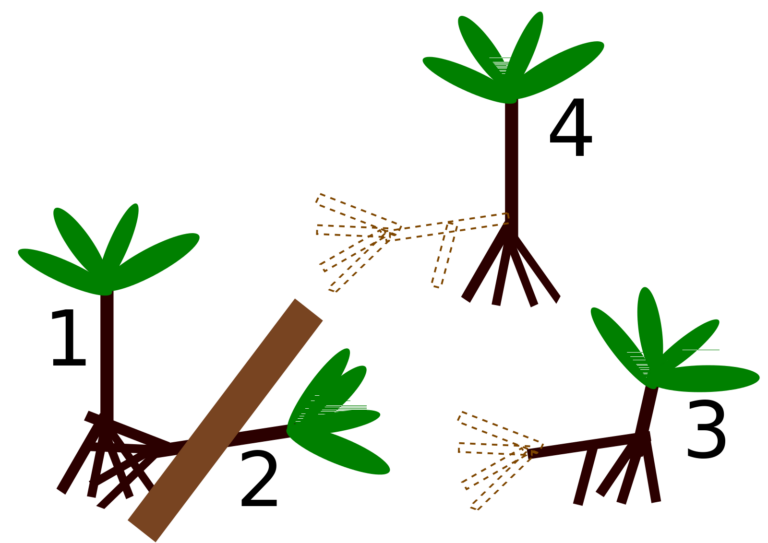
The hypothesis of how the tree "walks" was popularized by anthropologist John H. Bodley in 1980. He observed that if a falling tree branch knocks down a young Walking Palm, it doesn't simply die.
Instead, the tree sprouts brand-new stilt roots along the side of its trunk that touch the ground.
"By continually growing new roots toward light gaps while letting old ones wither, the tree appears to slowly step across the forest floor."
Reaching Sunlight Without Extra Weight
Rainforests are brutal arenas where plants compete relentlessly for sunlight. Botanists note that stilt roots allow Socratea exorrhiza to grow taller much faster without investing valuable energy into making its trunk thicker.
Key Survival Advantages of Stilt Roots:
1.Rapid Vertical Growth: Reaches light gaps in the dense forest canopy before competing flora.
2.Swamp Soil Stability: Prevents the tree from toppling over in waterlogged Amazonian soil.
3.Debris Dodge: Allows the base of the tree to remain elevated above decaying forest litter and floods.
Part 3 of 4
Fact or Jungle Legend?
The dense rainforest canopy where light is the ultimate resource for plant survival.
What Do Modern Botanists Say?
Does the Walking Palm really wander 20 meters a year? In 2005, biologist Gerardo Avalos published a comprehensive study tracking Socratea exorrhiza over long periods.
His findings revealed that while the tree can produce new roots to right itself if knocked over, its root system does not actively move the tree's trunk across the ground in a deliberate walking motion.
Scientific Finding
The Tree Does Not Literally Walk
The famous "walking" behavior is better understood as an unusual adaptation involving the tree's stilt roots and its ability to recover after being disturbed.
The unusual root structure is nevertheless one of the most fascinating features of this Amazonian palm, and it helps explain why the plant became associated with the idea of a tree that can "walk."
Part 4 of 4
The Final Verdict
The Final Verdict
Myth with a Kernel of Truth
The claim of "20 meters per year" is an exaggerated legend told by jungle guides. However, the tree's ability to sprout new roots and reposition its upper crown toward sunlight is a genuine evolutionary marvel.
Even if it doesn't stroll around like a creature from a fantasy novel, the Walking Palm remains one of nature's most extraordinary adaptations in the living green labyrinth of the Amazon.
Nature Is Stranger Than Fiction
The Walking Palm may not literally walk across the rainforest, but its remarkable root system shows just how creative nature can be.