Starting a small scale laying hen farm can be a rewarding and profitable venture for beginners, providing a steady supply of fresh eggs for personal consumption or sale. To begin, it’s essential to understand the basics of laying hen farming, including the type of breed to choose, housing and equipment requirements, and feeding and health management. **Layer breeds** such as Leghorns, Rhode Island Reds, and Barred Rocks are popular choices for small scale farmers due to their high egg production and relatively low maintenance costs. These breeds are known for their ability to produce an average of 280-300 eggs per year, making them an ideal choice for small scale laying hen farms.
Choosing the Right Breed
When selecting a breed for your small scale laying hen farm, it’s crucial to consider factors such as climate, available space, and desired egg production. **Dual-purpose breeds** like Australorps and Wyandottes are also suitable for small scale farms, as they can be used for both egg and meat production. However, these breeds may require more space and feed, making them less ideal for beginners. It’s also important to consider the **temperament** of the breed, as some breeds can be more aggressive or noisy than others. For example, Leghorns are known for their calm and docile nature, making them a great choice for beginners.
Understanding Breed Characteristics
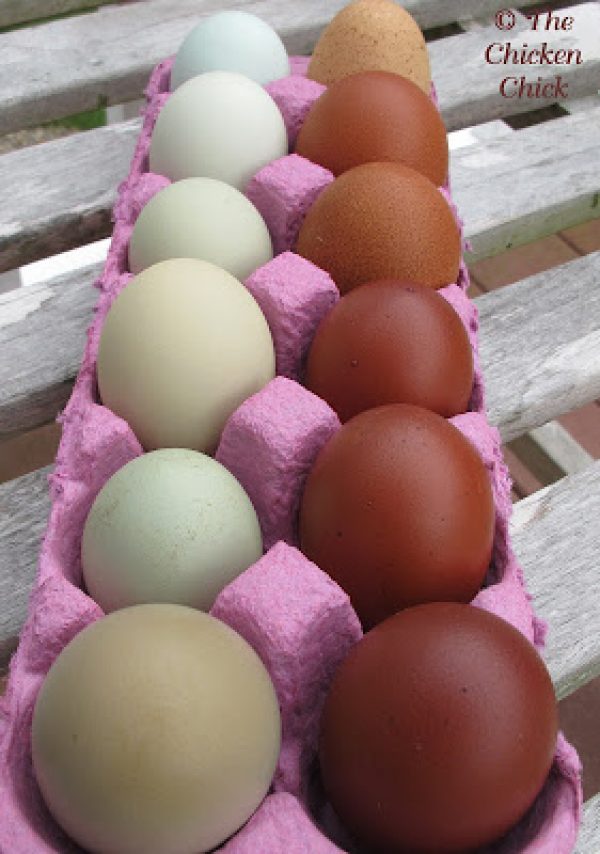
Each breed has its unique characteristics, and understanding these characteristics is vital for making an informed decision. **Egg size and color** are important factors to consider, as some breeds lay larger or more colorful eggs than others. For example, Marans lay dark brown eggs, while Easter Eggers lay blue or green eggs. **Feather type and color** can also vary between breeds, with some breeds having more elaborate or colorful plumage than others. Additionally, **growth rate and maturity** should be considered, as some breeds mature faster than others. For example, Leghorns mature at around 18-20 weeks, while Orpingtons take around 24-28 weeks to mature.
Setting Up the Farm
Once you’ve chosen the right breed, it’s time to set up your small scale laying hen farm. This includes providing a safe and comfortable **housing** for your hens, as well as **equipment** such as feeders, waterers, and nesting boxes. The type of housing you choose will depend on the size of your farm and the number of hens you plan to keep. **Coop and run systems** are popular for small scale farms, as they provide a safe and secure area for hens to roam and exercise. The coop should be well-ventilated, dry, and protected from the elements, with enough space for your hens to move around comfortably. A general rule of thumb is to provide at least **2-4 square feet** of space per hen inside the coop.
Building the Coop
Building the coop is a critical step in setting up your small scale laying hen farm. The coop should be **predator-proof**, with strong walls and a secure roof to protect your hens from predators such as foxes, raccoons, and hawks. The coop should also be **well-ventilated**, with windows and vents to provide fresh air and reduce the risk of disease. **Nesting boxes** should be provided, with one box per 3-4 hens, to give your hens a safe and comfortable place to lay their eggs. The nesting boxes should be lined with soft bedding such as straw or wood shavings, and should be easy to clean and maintain.
Feeding and Nutrition
Feeding and nutrition are critical components of a successful small scale laying hen farm. **Layer feed** should be provided, which is a specially formulated feed designed to meet the nutritional needs of laying hens. The feed should be **high in protein**, with a minimum of 16% protein, to support egg production and overall health. **Grit and oyster shells** should also be provided, to help your hens digest their food and maintain strong bones. Fresh **water** should be available at all times, with a clean and accessible waterer to prevent dehydration and disease.
Understanding Nutritional Requirements
Understanding the nutritional requirements of your hens is vital for maintaining their health and productivity. **Calcium** is essential for strong bones and eggshell production, while **phosphorus** is necessary for bone growth and development. **Vitamins and minerals** such as vitamin D and vitamin B12 are also crucial for maintaining overall health and well-being. A **balanced diet** that meets the nutritional needs of your hens is essential for maintaining their health and productivity, and for producing high-quality eggs.
Health Management
Health management is a critical component of a successful small scale laying hen farm. **Vaccinations** should be provided to protect your hens from diseases such as Newcastle disease and infectious bronchitis. **Parasite control** measures should also be taken, such as providing a clean and dry living environment, and using medications to control internal and external parasites. **Regular health checks** should be performed, to monitor your hens’ health and detect any potential health issues early.
Common Health Issues
There are several common health issues that can affect laying hens, including **respiratory diseases**, **reproductive problems**, and **parasite infestations**. **Mycoplasma** is a common respiratory disease that can cause coughing, sneezing, and difficulty breathing, while **salpingitis** is a reproductive problem that can cause inflammation and infection of the oviduct. **Mites and lice** are common external parasites that can cause discomfort and stress, while **worms** are internal parasites that can cause weight loss and decreased egg production. Regular health checks and a clean and well-maintained living environment can help prevent these health issues and maintain the overall health and productivity of your hens.
Marketing and Sales
Once you’ve established your small scale laying hen farm, it’s time to think about marketing and sales. **Developing a business plan** is essential, to outline your goals, target market, and pricing strategy. **Building a brand** is also important, to establish a reputation and build customer loyalty. **Social media** can be a powerful tool for marketing and sales, allowing you to connect with customers and promote your products. **Farmers’ markets** and **CSAs (Community Supported Agriculture)** can also be a great way to sell your eggs and connect with customers.
Understanding Market Demand
Understanding market demand is critical for a successful small scale laying hen farm. **Consumer preferences** should be considered, such as the demand for **organic** or **free-range** eggs. **Seasonal fluctuations** in demand should also be taken into account, with prices and production adjusted accordingly. **Competitor analysis** can help you understand the market and identify opportunities to differentiate your products and services. By understanding market demand and developing a solid business plan, you can establish a successful and profitable small scale laying hen farm.